SOLUTION 01
Product, Service & Experience Systems

Turn customer needs into products and services people can use.

CultureTech helps knowledge-intensive organizations develop new products, services, and experiences—or improve existing ones. We clarify customer needs, define what to offer, and design how people will use it and how your organization will deliver it.

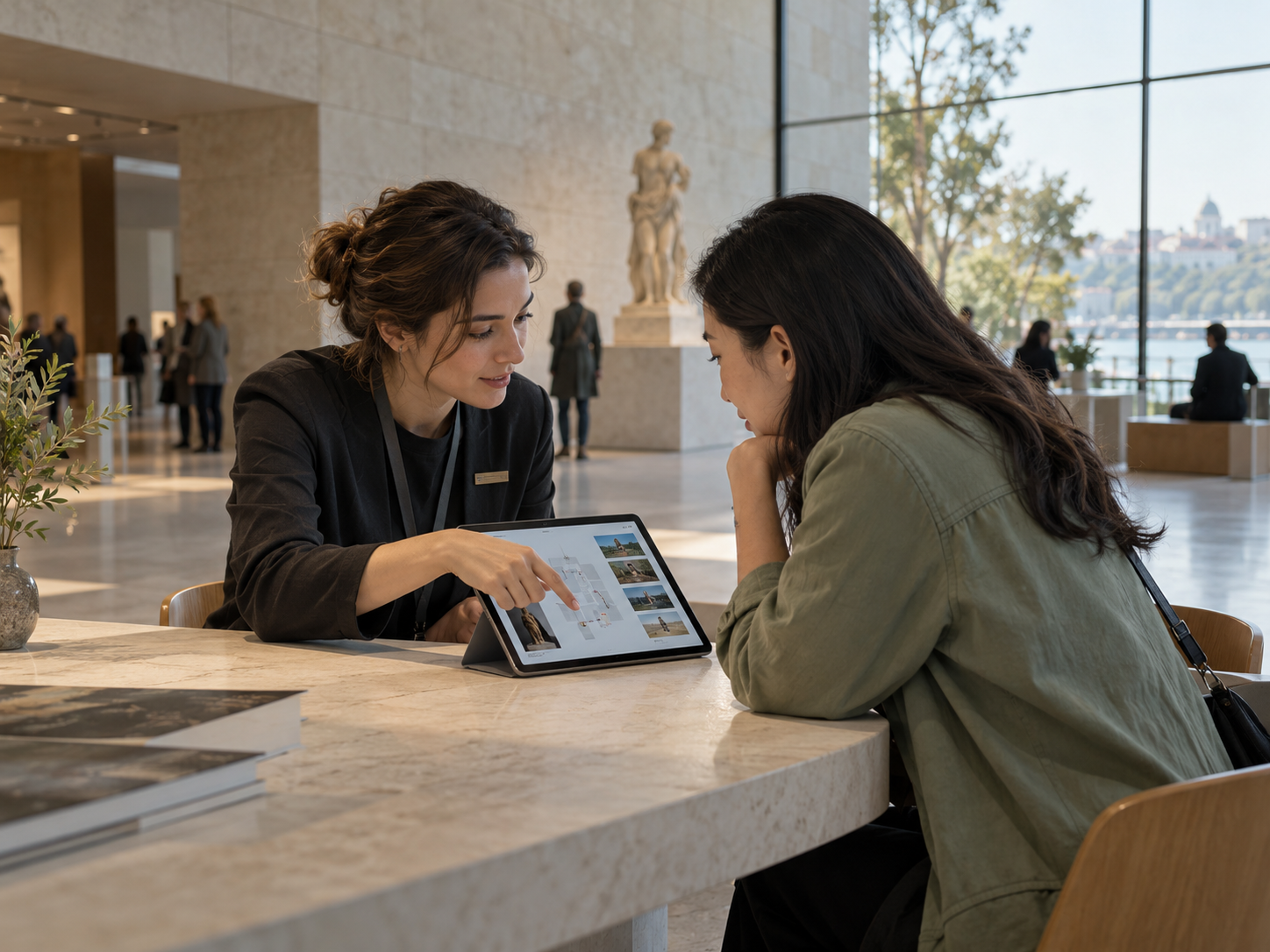
A service specialist and visitor use a tablet together to explore digital guidance in a cultural setting.
01 / SERVICE IN CONTEXT 01 / 服务场景

A useful experience. A system behind it. 好的服务体验,离不开背后的系统支持。

Illustrative service scene 服务场景示意
WHEN THIS IS NEEDED

When your product or service needs a clearer design.

You have an idea for a new product or service. 有了新产品或服务的想法,还没明确如何落地。

You see a customer need, but have not yet worked out what to offer or how it would operate. 你看到了客户需求,但还没有明确提供什么, 以及产品或服务如何运作。

WHAT WE HELP DEFINE 我们帮助明确什么

Who it serves, what customers receive, how they use it, and what your organization needs to deliver it. 服务谁、客户能获得什么、如何使用, 以及组织需要具备哪些交付条件。

People struggle to use your existing product or service. 产品或服务已经有了,客户却用得不顺。

Customers cannot find the right information, understand their options, or complete an important step. 客户找不到所需信息、不清楚有哪些选择, 或在某个关键步骤遇到阻碍。

WHAT WE HELP DEFINE 我们帮助明确什么

What information and guidance people need, how each interaction should work, and where help should be available. 客户需要哪些信息与引导、各个交互环节如何设计, 以及在哪些地方提供帮助。

Digital interactions and human support do not connect. 线上流程与人工服务衔接不上。

Customers submit a request online, then have to explain it again—or do not know who will respond. 客户在线提交需求后,转到人工服务时还要重新说明, 或者根本不知道后续由谁处理。

WHAT WE HELP DEFINE 我们帮助明确什么

What information carries forward, when staff take over, and how customers know what happens next. 哪些信息需要随流程传递、何时由人员接手, 以及如何让客户清楚后续安排。

WHAT WE DESIGN

Define the product or service, how people use it, and how you deliver it.

We define what customers receive, map how they use the product or service, and work out what your team needs to provide at each step.

CT / SERVICE DESIGN CT / 服务设计 ILLUSTRATIVE STRUCTURE 结构示意
WHAT CUSTOMERS DO 客户做什么

Explain what they need 说明需求

Enter the service and provide relevant information. 找到服务入口,提供与需求相关的信息。

Use the product or service 使用产品或服务

Understand the information and complete key steps. 理解所提供的信息,完成关键操作。

Get a result or further help 获得结果或后续帮助

Receive a result, take action, or get further support. 获得所需结果、采取行动,或继续寻求支持。

WHAT YOUR ORGANIZATION PROVIDES 组织需要提供什么

Service scope & entry 服务范围与入口

Who it serves, what is included, and what information is needed to get started. 明确服务对象、服务内容,以及开始使用前需要提供的信息。

Knowledge, people & tools 知识、人员与工具

The content, professional support, and technology needed during use. 提供使用过程中所需的内容、专业人员支持与技术工具。

Delivery & follow-up 交付与后续跟进

Who responds, what information is passed on, and how follow-up happens. 明确由谁响应、哪些信息需要交接,以及如何跟进后续事项。

Use customer questions, staff feedback, and service results to improve the design. 结合客户提出的问题、员工反馈与实际服务结果,持续改进设计。

Depending on the agreed scope, the work may produce a service concept, a map of the customer journey and service delivery, implementation requirements, and a focused pilot plan.

POSSIBLE APPLICATIONS

Create something new. Improve what people already use.

Explore examples of new products and services, and ways to improve existing ones. These are illustrative applications, not completed client projects.

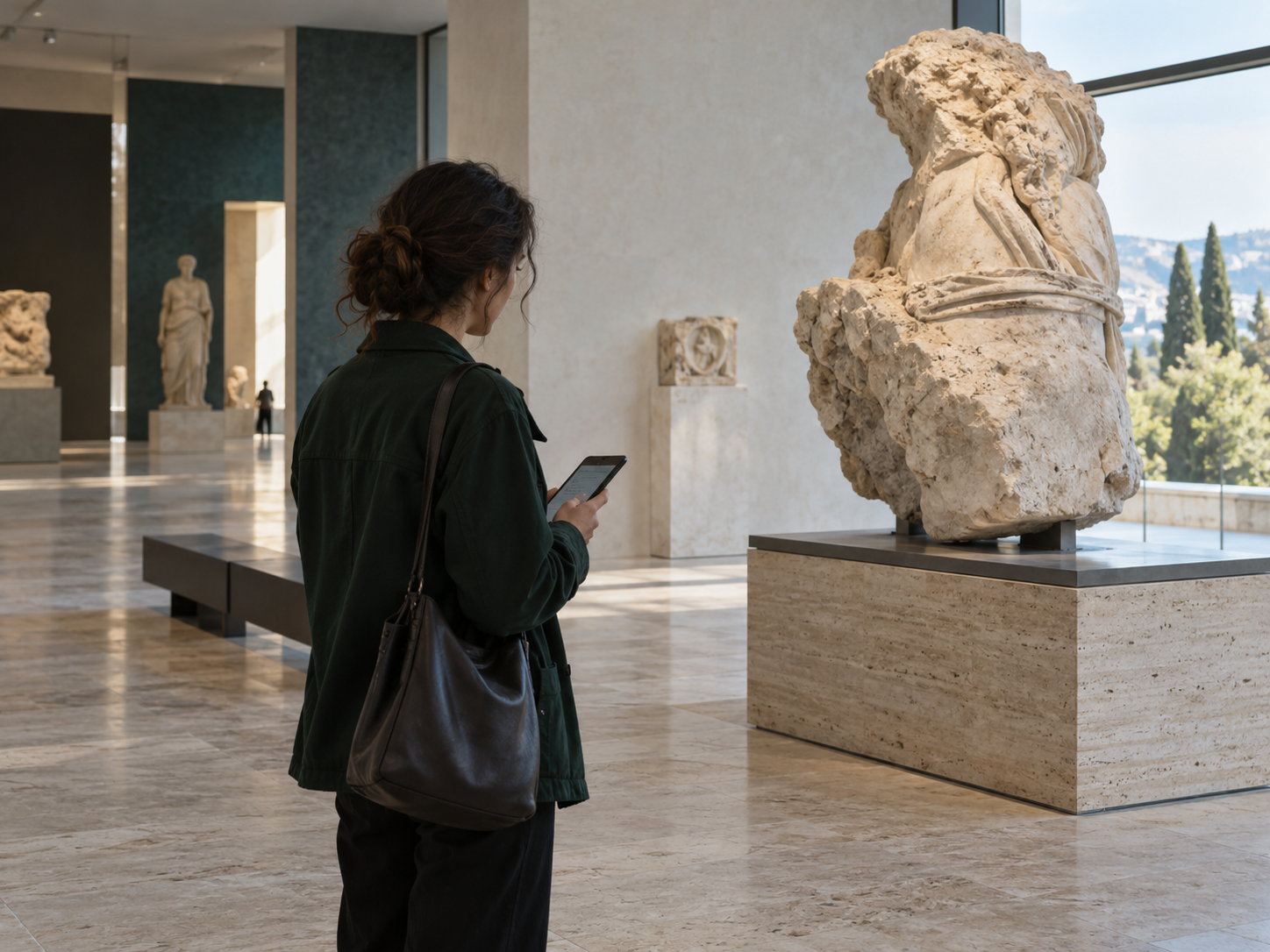
A museum visitor uses a handheld digital guide to explore an exhibit. ILLUSTRATIVE APPLICATIONS

Turn a customer need into a product or service.

  1. Digital advisory services

    Help customers explain their situation, receive relevant guidance, and reach a professional when needed.

  2. Guided learning or cultural experiences

    Help visitors or learners explore content, ask questions, and choose what to explore next.

  3. Knowledge-based products

    Turn specialist methods or resources into a tool people can use for a specific task.

ROLE OF TECHNOLOGY

Help people find answers, understand options, and take the next step.

We determine where digital interfaces, AI, automation, and connections to existing systems can make the product or service easier to use and deliver.

Find relevant answers. 找到切合需求的答案。

Let people ask questions in their own words and find answers in reviewed product, service, or specialist information. 让客户用日常语言提问,从经过审核的产品说明、 服务信息或专业资料中找到所需答案。

Understand the available options. 看懂有哪些选择、各自适合什么情况。

Use the needs and context people choose to share to explain relevant choices, requirements, and limitations. 根据客户自愿提供的需求与背景, 解释相关方案、使用条件与限制,帮助他们作出选择。

Move from guidance to action. 从了解信息,到办成事情。

Connect the interaction to a booking, application, purchase, or staff member, passing on the information needed for the next step. 将咨询过程衔接到预约、申请、购买或人工服务, 并传递后续所需的信息,减少客户重复填写和说明。

Keep human support within reach. 需要时,能找到人来帮忙。

Define which requests need professional review, when a person should take over, and who is responsible for responding. 明确哪些事项需要专业复核、何时转由人员接手, 以及由谁负责响应和处理。

HOW WE VALIDATE

Test whether people need it, can use it, and can be served reliably.

A focused pilot tests a limited version with intended users and the people responsible for delivery. We agree what to examine before testing begins.

Is it useful? 是否解决了实际需求?

Does it address the intended need and help people achieve something that matters to them? 是否解决了原本要解决的问题, 并帮助用户获得他们真正需要的结果?

Can people use it? 用户能否顺利使用?

Can they understand the information, complete key steps, and get help when needed? 用户能否看懂信息、完成关键操作, 并在遇到困难时获得帮助?

Can the organization deliver it reliably? 组织能否可靠交付?

Are the knowledge, staff responsibilities, handovers, and technology sufficient to support actual use? 所需知识是否齐备、人员职责是否明确、 工作交接是否顺畅,技术能否支持实际使用?

The findings guide what to change, whether further testing or wider use is justified, and when to pause or stop.

ASSESSMENT & PILOT

Start with one product or service to develop or improve.

Bring an early idea or an existing product or service that needs improvement. The assessment helps clarify its potential value, what delivery requires, and whether to proceed with a pilot.

START HERE 从评估开始

AI & Systems Assessment™ AI 与系统评估™

Examine the customer need, expected value, existing capabilities, and key constraints. Define a practical next step. 分析客户需求、预期价值、现有能力与关键限制, 明确下一步该怎么走。

WHEN READY TO TEST 具备试点条件时

Focused Systems Pilot™ 专项系统试点™

Agree a separate scope to design and build a working version, then test it with intended users. 另行商定试点范围,设计并构建可运行的版本, 再邀请目标用户参与实际测试。

WHEN PREPARATION IS NEEDED 条件尚未具备时

Address the gaps first. 先补齐关键条件。

Resolve gaps in knowledge, responsibilities, user participation, or technical readiness before testing. 测试前,先补充所需知识、明确责任分工、 安排用户参与,或完善技术条件。

The assessment may also support a decision not to proceed now. 评估也可能得出结论:现阶段应暂缓推进。

What the work needs 合作需要哪些支持

The work requires people who understand the customer and the service, access to relevant knowledge, and a practical setting for testing. We agree responsibilities for design, implementation, and validation with your team and any implementation partners. 需要熟悉客户与服务的人员参与,能够获取相关知识, 并具备开展实际测试的条件。设计、实施与验证由谁承担, 会与你的团队及参与实施的合作伙伴共同明确。

LET’S FIND THE RIGHT STARTING POINT

What do you want to create or improve?

Tell us who it should serve, what they need, and what you would like to change. You do not need a finished solution or a complete project brief to start.

Scroll to Top